How to verify square footage before you bind a commercial property policy
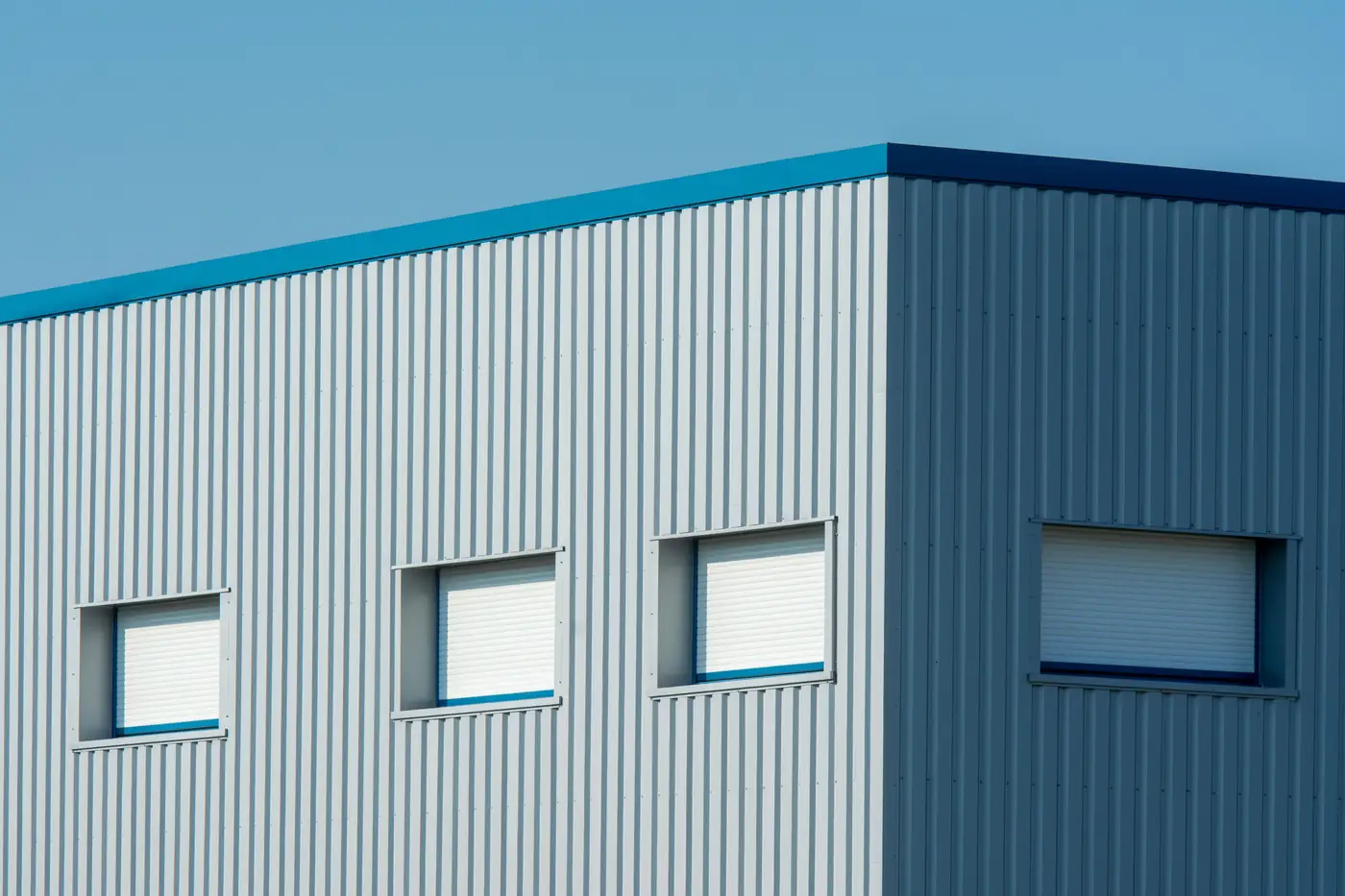
Underwriters know the drill: the application lists a square footage, the broker typed it in from an old file, and the building hasn't been re-measured since an addition went up years back. On a dwelling fire policy that gap might cost a few hundred dollars of premium either way. On a commercial schedule, square footage is the number every other term hangs off: replacement cost, business income, coinsurance. Get it wrong and the insurance-to-value math is wrong before the policy is even issued.
This is about catching that before bind, not after a claim forces the question.
Where the stated number usually comes from
Most submissions carry square footage from one of three places: the applicant's own estimate, often copied from a mortgage document or an old tax bill; a broker's placement file; or a prior carrier's declarations page, carried forward renewal after renewal without anyone re-measuring anything. None of those sources update automatically when a building gets expanded, when a mezzanine gets built out, or when a one-story structure gains a second floor for storage.
County assessor records are the usual first stop for a sanity check, when the parcel record is current. They're free and public, and they're also frequently stale, particularly for additions, permitted or not, that haven't made it into the assessor's database. A cost estimator tool like Marshall & Swift or 360Value will take whatever square footage you feed it and return a replacement cost. Feed it the wrong footage and you get a confident, wrong number back.
What a roof-level check actually tells you
A physical site inspection settles the question, but it's slow, it costs money, and most commercial submissions never get one before binding. The middle option is looking at the building from above: a roof outline traced from current imagery gives you the footprint area, and a count of visible stories tells you whether that footprint repeats once or several times.
A footprint check like this doesn't certify square footage. It flags a mismatch worth asking about. If the applicant lists a 40,000-square-foot building and the roof footprint, multiplied by visible stories, comes out closer to 25,000, that gap belongs on your desk before quote, not in a reservation-of-rights letter after a loss. The same check surfaces additions nobody mentioned on the application: a warehouse with a newer wing on one end, a retail box with a second-story buildout the schedule of values never picked up.
This is the gap Property Characteristics was built to close. It pulls roof geometry, storey count, and visible site features straight from current very-high-resolution imagery and returns a structured record per address, so the footprint and story count in front of you during underwriting came from the roof itself, not from whatever got typed into a form years ago.
Where this fits against other checks
Imagery-based footprint review doesn't replace an appraisal, and it doesn't replace a walk-through for a complex or high-value risk. It won't tell you about interior finish, occupancy load, or anything happening below the roofline. What it gives you is a current, address-level view of the building's physical footprint and visible stories, fast enough to run across a submission volume that an assessor's office or a scheduled inspection usually can't match before a quote deadline.
For most commercial accounts, a practical sequence looks like this: pull the stated square footage from the application, check it against assessor records if the parcel is current, and run a footprint and storey check against current imagery. If all three roughly agree, move on. If the imagery shows a footprint or story count that doesn't line up with the file, that's the account that gets a question back to the broker before quote, not a dispute after the fire.
A quick gut check before you bind
Ask three things on any commercial submission where square footage drives the limit: when was this number last verified against the physical structure, does the roof footprint in current imagery support it, and has anything been added or removed since the last time anyone looked. If the second question can't be answered without scheduling a site visit, that's worth fixing on your desk.
Run that check against your next commercial renewal file and see how many addresses deserve a second look.