Blog
Blog
 Field notes: the strip mall with five roof systems and one policy numberA single SOV line for a strip center can hide five different roof systems, ages, and claim histories. Field notes on why that gap matters.
 Metal roof vs membrane roof: how to tell them apart in aerial imageryHow standing-seam metal and TPO membrane roofs read differently in VHR aerial imagery, and why it matters before you bind a commercial risk.
 Reconciling applicant-reported roof material against imageryHow underwriters can check the ACORD roof material field against what VHR imagery shows before binding a policy.
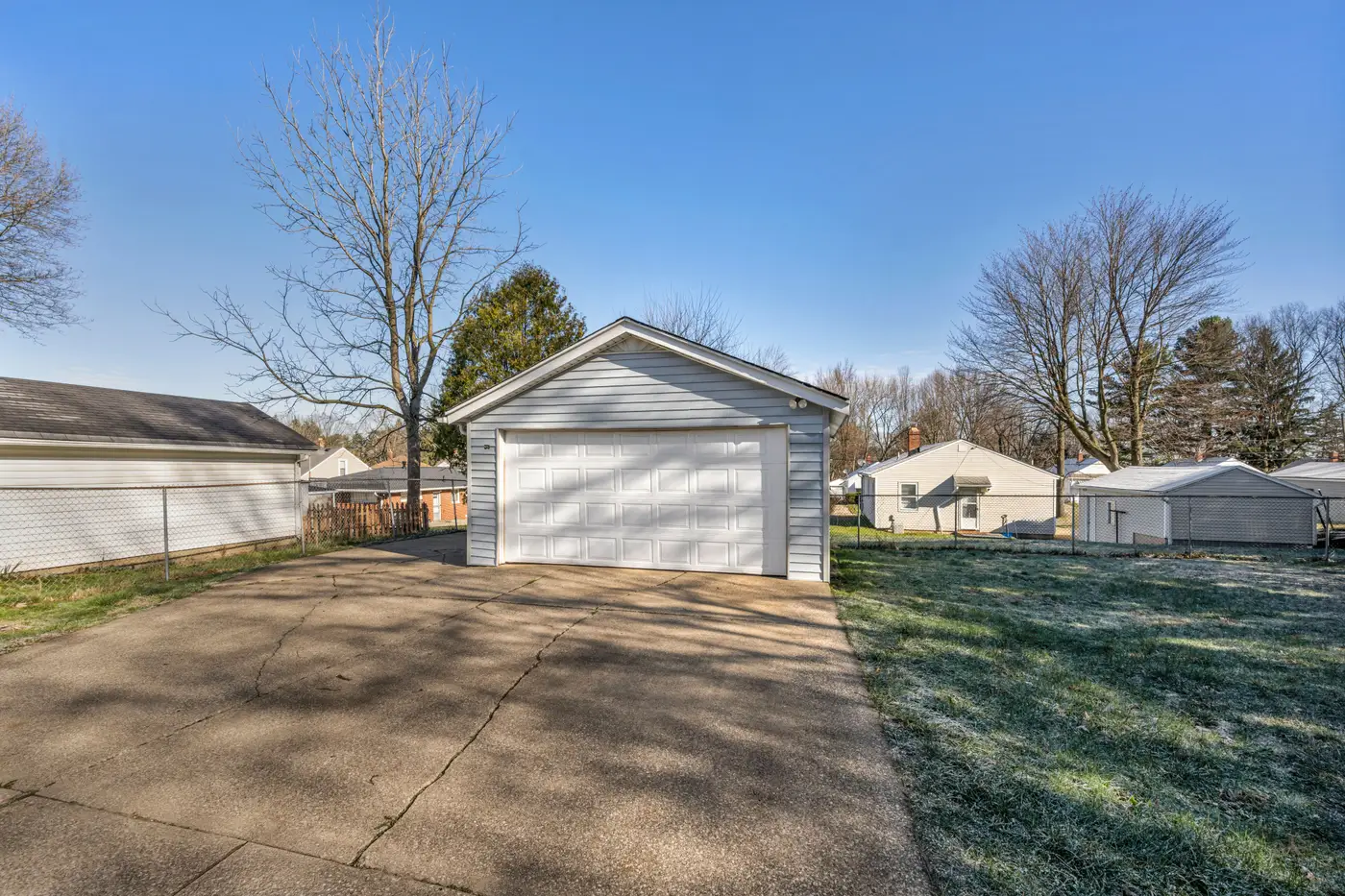 What is a secondary structure, and why it belongs in a pre-bind property recordDetached garages, sheds and pool houses change exposure. Here's why secondary structures need to show up in the property record before you bind.
 Field notes: the two-story application that read three stories from the imageryAn underwriter's field note on a storey-count mismatch between the application and the roofline, and what it means before you bind.
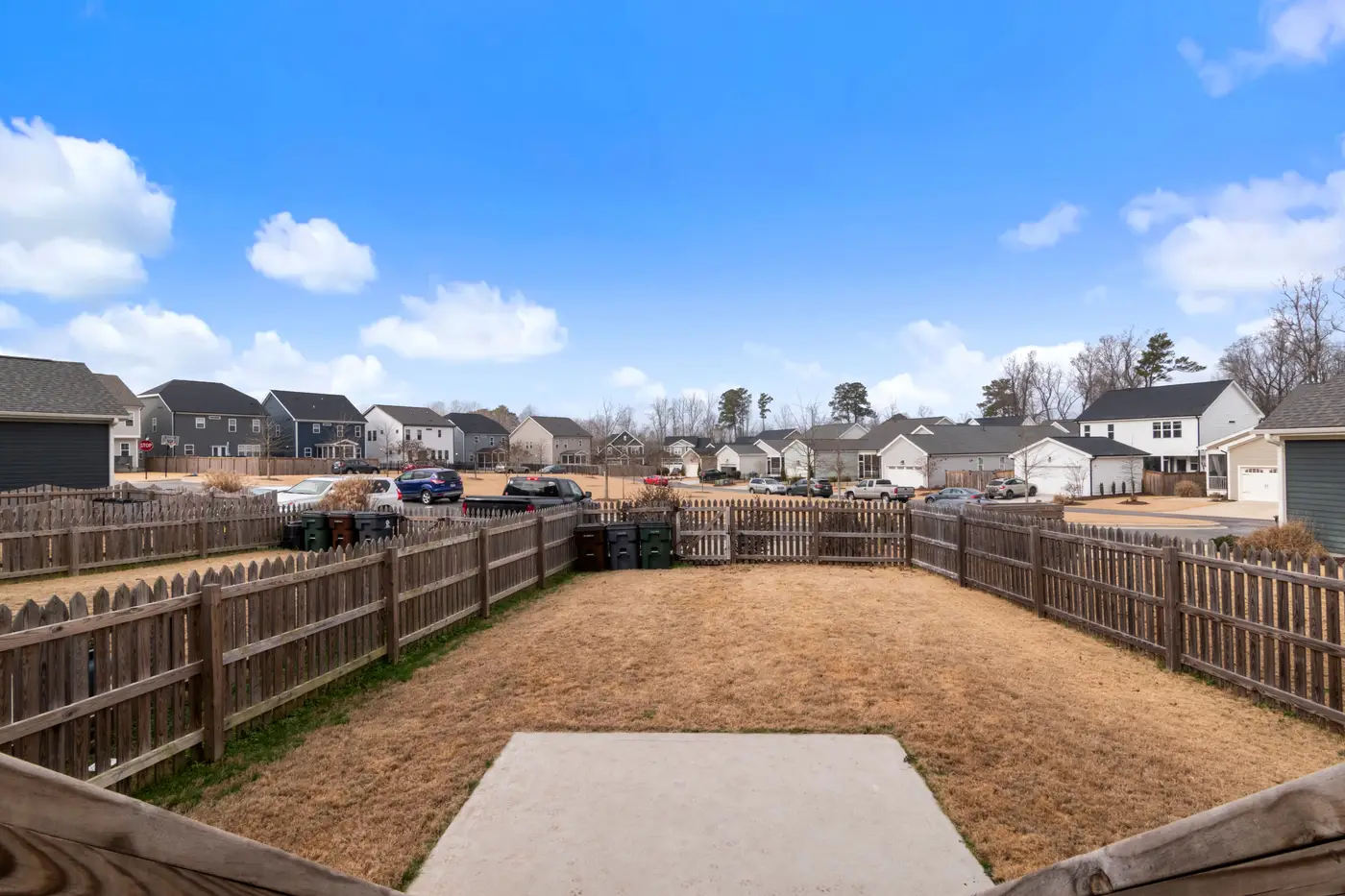 What counts as a visible site feature before you bindWhat counts as a visible site feature before you bind, and why detached structure underwriting catches what the app form misses.
- Satellite vs. aerial imagery in a commercial underwriting fileSatellite vs. aerial imagery for a commercial property underwriting file: what GSD, cadence and coverage mean before you bind.
- What is COPE data in commercial property underwriting?COPE stands for Construction, Occupancy, Protection, Exposure. Here's what each field means and where imagery fits before you bind.
- Asphalt shingle vs. wood shake: telling roof coverings apart in imageryHow to distinguish asphalt shingle from wood shake roof covering in VHR satellite and aerial imagery for underwriting file review.
 Field notes: the submission that looked fine until we pulled the roofA field-notes look at the kind of submission that passes on a clean narrative, until current roof imagery tells a different story.
- 3-tab vs. architectural shingles: telling them apart from aboveHow underwriters can read 3-tab vs. architectural (laminate) shingle roofs in VHR aerial imagery before binding the risk.
 What is a roof facet, and why underwriters count them before bindingA roof facet is one flat plane of a roof. Here's why counting them changes how underwriters price and bind a risk.
 Desktop underwriting vs. field inspection for property insuranceA plain look at desktop underwriting vs field inspection for property insurance, and where imagery fits before you bind.
- How to verify square footage before you bind a commercial property policyA practical way to cross-check a commercial submission's stated square footage against the building's actual footprint before you bind.
- Clay tile vs concrete tile roofs: telling them apart in aerial imageryHow underwriters can distinguish clay tile from concrete tile roofs in VHR imagery, and why roof covering matters before you bind.
- Hip roof vs gable roof: telling them apart from aboveHow to tell a hip roof from a gable roof in aerial imagery, and why the difference matters for wind risk rating before you bind.
- How to count building stories from satellite imageryA practical look at counting storeys from overhead imagery for underwriting, including what shadow length and roof lines can and can't tell you.
- What counts as a flat roof under commercial underwriting guidelinesWhat underwriters mean by a low-slope or flat commercial roof, the 2:12 pitch threshold, and why the classification drives your rating.