What counts as a visible site feature before you bind
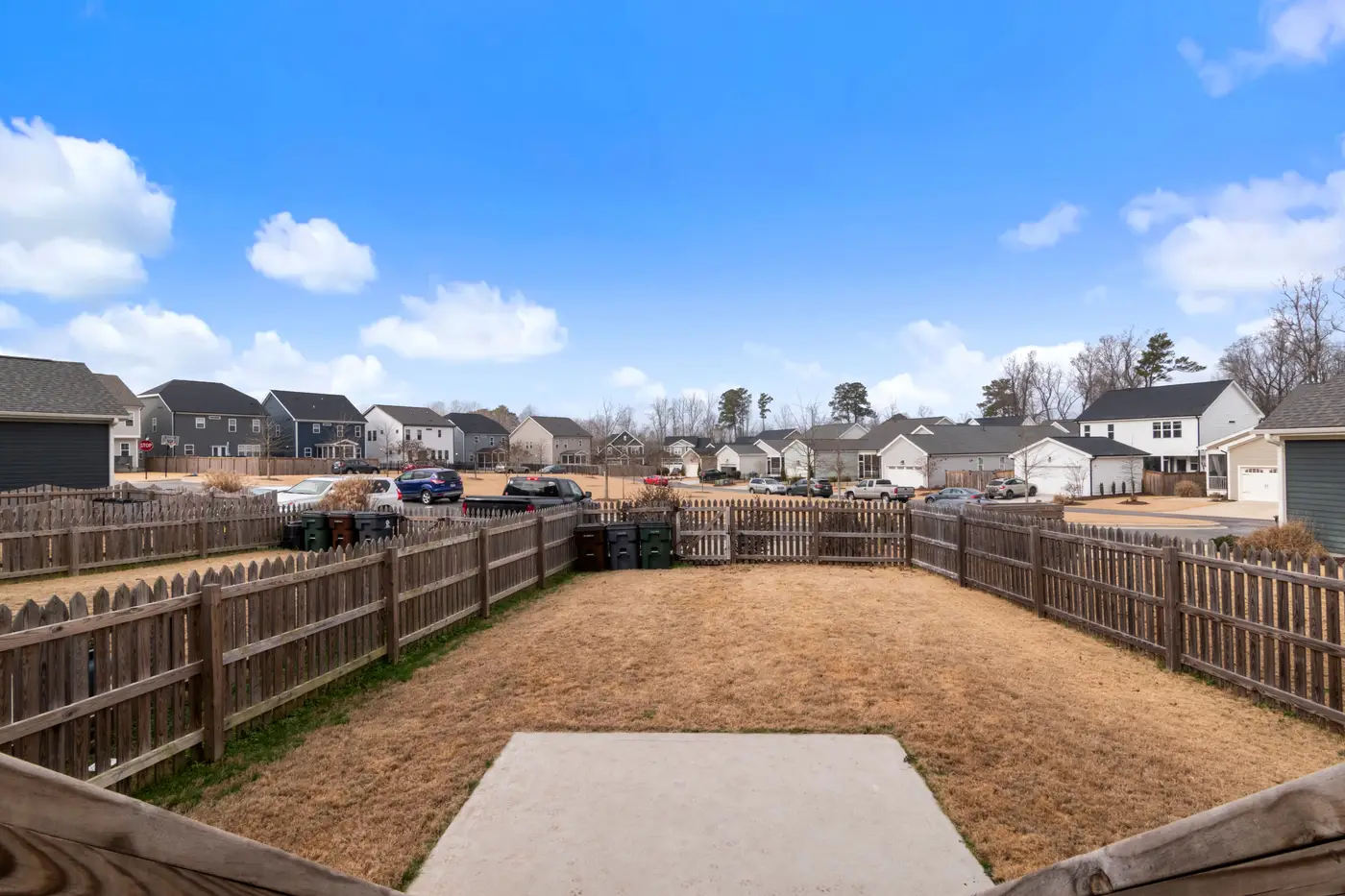
A visible site feature is anything on the parcel that shows up in overhead imagery and would change how you price, endorse, or decline the risk if you knew about it. Pools, detached garages, pole barns, solar arrays, trampolines, fencing, paved versus gravel driveways, tree canopy sitting over the roofline, boats or RVs parked on the lot, and anything that reads as yard debris or a junk pile. If it's there and it moves the number, it counts. If it's cosmetic and doesn't change the exposure, it probably doesn't belong on your checklist.
The term gets used loosely across the trade. Some underwriters mean "anything not attached to the dwelling." Others narrow it to features with a liability angle, mainly pools and trampolines. For binding purposes, the tighter definition holds up better: a feature counts when its presence or absence changes the quote, the deductible, or whether you write the account at all. A $1,500 garden shed in the back corner of the lot usually doesn't move anything. An unfenced in-ground pool on a lot backing up to a school might kill the submission outright, or at minimum trigger a liability exclusion conversation before you bind.
Detached structure underwriting isn't optional, it's where the surprises live
Most app forms ask the applicant to list outbuildings and their approximate value. Most applicants either guess low, forget the pole barn they built two summers ago, or don't think a chicken coop counts as a structure at all. That gap is where detached structure underwriting earns its keep. A detached garage changes your Coverage B exposure. A pole barn used for equipment storage, not just the mower, is a different occupancy than the applicant wrote down. A guest house or ADU on the parcel can mean rental exposure nobody disclosed.
None of this requires a site visit to catch. It requires looking at the parcel. A structure with a footprint larger than what's scheduled, a second roofline the applicant never mentioned, or a detached building close enough to a property line to raise a setback question are all things you can confirm before the policy is bound, not after a claim forces the conversation.
A site feature checklist for the submission desk
Before you bind, run the parcel against something like this:
- Pools and spas. In-ground or above-ground, fenced or not, proximity to the dwelling.
- Trampolines and playground equipment. Visible, loose, or stored.
- Detached structures. Garages, barns, sheds, guest houses, anything with its own roofline and footprint not matched to what's scheduled on the app.
- Solar installations. Roof-mounted arrays change roof load and change how a wind or hail claim gets handled.
- Tree canopy. Overhang touching the roofline or heavy debris load in gutters and valleys.
- Fencing. Perimeter fencing present or absent, condition where visible.
- Driveway and hardscape. Paved, gravel, or dirt, checked against the property class the applicant described.
- Vehicles and equipment stored on site. Boats, RVs, trailers, commercial equipment that suggests a business use not disclosed.
- General yard condition. Debris, abandoned structures, anything that reads as deferred maintenance at the parcel level, not just the roof.
Run that list against the applicant's form and you'll find mismatches on a meaningful share of submissions. Not fraud, usually just an applicant who hasn't walked the back fence line in years.
Why this matters more at bind than at renewal
At renewal you've got loss history and a prior term to lean on. At bind you've got the application and whatever the agent typed in. If the only record of the detached pole barn is a line item the applicant estimated at "$10k maybe," you're underwriting a guess. Checking the parcel before you issue the policy means you're confirming what's actually there against what's been declared, instead of finding out during a claim that the "shed" is a converted workshop with its own electrical panel.
This is the same reason roof geometry, material, and storey count matter before binding, and it's the problem Property Characteristics is built around: pull a structured record of what the roof and the parcel look like before you commit terms, instead of underwriting from the application alone. If detached structures and site features keep showing up as surprises after bind, it's worth seeing what a pre-bind property record would have caught.